 VapeWholesaleHub
Jasmine Ice Product Testing Laboratories Explained — Replenishment Cycles
Buying jasmine ice wholesale is a logistics problem disguised as a product problem. The unit is small, the margin depends on freight density, and the failure mode shows up weeks after delivery. The notes below come from real orders we have shipped.
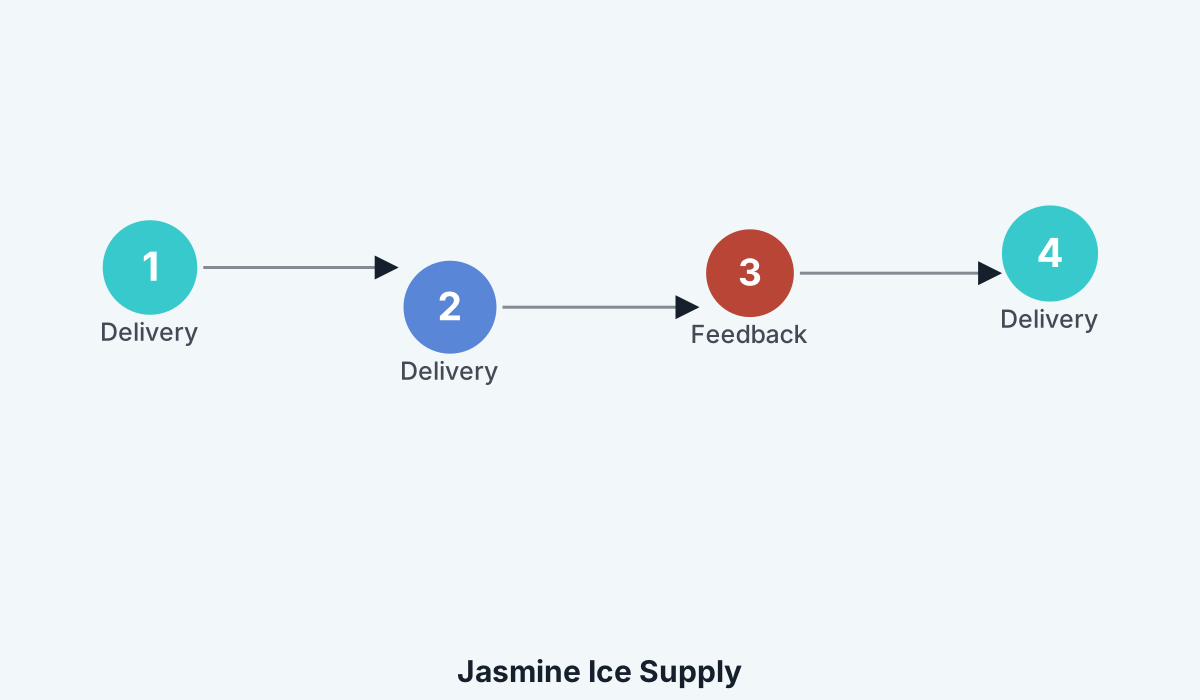
Trends Worth Watching
Demand for jasmine ice has been steadily rebalancing. The early phase rewarded whoever could ship fastest; the current phase rewards whoever can ship the same thing twice. That shift favours buyers who invest in specification rather than price shopping.
Retailers report that jasmine ice customers are asking more specific questions than they did two years ago. That favours ranges with clear, simple information over ranges with clever marketing.
Where Jasmine Ice Sits in the Range
Decide early whether jasmine ice is a traffic driver or a margin line in your store. The answer changes how you price it, where you place it and how hard you push it at the counter.
Selling Jasmine Ice at Store Level
Rotate jasmine ice facing rather than price for the first month. Visibility changes sell-through more reliably than a small discount, and it does not train customers to wait for offers.
Pricing and Margin
When you model jasmine ice pricing, build in a realistic shrink figure. Even a well run line loses a small percentage to damage, expiry and sampling. Pretending that number is zero is how a healthy looking margin turns negative.
Indicative reference points for planning purposes: entry tier from USD 1.96 per unit at 1000 units, mid tier at USD 0.85, and volume tier at USD 0.55 for full container quantities. These figures move with specification, packaging and freight, so treat them as a shape rather than a quote.
Reading a Jasmine Ice Spec Sheet
Ask for the jasmine ice specification in the same units you intend to measure in. A metric quoted in a form you cannot verify on arrival is not a specification, it is a claim.
Revisit the jasmine ice specification after every third order. Small improvements compound, and factories take a buyer more seriously when the document has clearly been used.
| Product category | Refillable kit |
|---|---|
| Resistance band | 0.8 - 1.0 ohm |
| Capacity tolerance | +/- 3% |
| Puff count method | Declared by capacity |
| Master carton | 100 units |
| Carton weight | 7.0 kg |
| Shelf life | 18 months |
| Storage | 15-25 C, dry, away from direct light |
How Jasmine Ice Batches Are Checked
Keep a photo record of every jasmine ice approval sample. Written descriptions age badly; a dated photograph next to a delivered unit settles most arguments in seconds.
The defect rate that matters is the one your customer experiences, not the one the factory reports. Bridge that gap by inspecting the way a customer would open the box, not the way a line worker packs it.
- Write the complaint threshold into the order terms.
- Confirm the current customs classification with your own broker.
- Plan the switch from air to sea freight before you need it.
- Check carton dimensions against your freight quote before confirming.
- Ask how the factory measures puff count, then compare like with like.
Practical Checklist
- Start with a mixed carton and let your own sell-through decide.
- Ask how the factory measures puff count, then compare like with like.
- Model landed cost, not ex-works price, when comparing quotes.
- Confirm the current customs classification with your own broker.
- Agree the tolerance band in writing before approving artwork.
- Keep sealed retained samples from every production batch.
Frequently Asked Questions
Is there support for in-store material?
Yes. Shelf talkers, counter cards and simple planogram suggestions are available for jasmine ice ranges that reach a sensible volume. Most retailers find the plain strength and flavour cards do the most work.
What happens if my market changes its rules?
Regulations move, and packaging or documentation sometimes has to follow. We keep approved artwork files on hand so that a required change is a reprint rather than a redesign, which keeps the cost and delay down.
How are price changes handled on repeat orders?
{K} pricing is reviewed against input costs and volume rather than adjusted casually. Any change is confirmed in writing before the next order is scheduled, with the reason stated so you can judge it yourself.
What if a batch does not match the sample?
Keep the retained samples from the approval stage. If a delivered batch measurably differs, we compare against the retained set and resolve it against the production record. This is why we insist on sealed retained units from every run.
Next Step
Nobody wins when a first order is too large to learn from. Start with a mixed carton, check how it moves in your own market, then scale the lines that earned the shelf space.
Related Reading
- Jasmine Ice Contract Clauses Worth Negotiating — Busy Buyers
- Reducing Returns on Jasmine Ice Through Better Specs — Cash-and-Carry Formats
- Jasmine Ice Warehouse Picking and Batch Rotation — Updated for 2026
- Jasmine Ice Cell and Chip Supply Constraints — Specialist Vape Shops
- Jasmine Ice Escalation Path When Something Goes Wrong — Repeat Orders
- Jasmine Ice Seasonal Peaks and Stock Cover — the Buying Desk